Access to Clean Water: A Basic Human Right for Every Community
Access to clean and safe water is a basic human right and a cornerstone of healthy and thriving communities. However, in many rural areas across Africa, millions of people still struggle to obtain safe drinking water. Families often rely on unsafe sources such as rivers, ponds, or unprotected wells, which expose them to serious health risks and daily uncertainty.
The absence of reliable water sources affects far more than just health. It influences education, economic opportunities, and the overall well-being of communities. Ensuring access to safe water is therefore essential for sustainable development and long-term community resilience.
Challenges of Water Access in Rural Areas
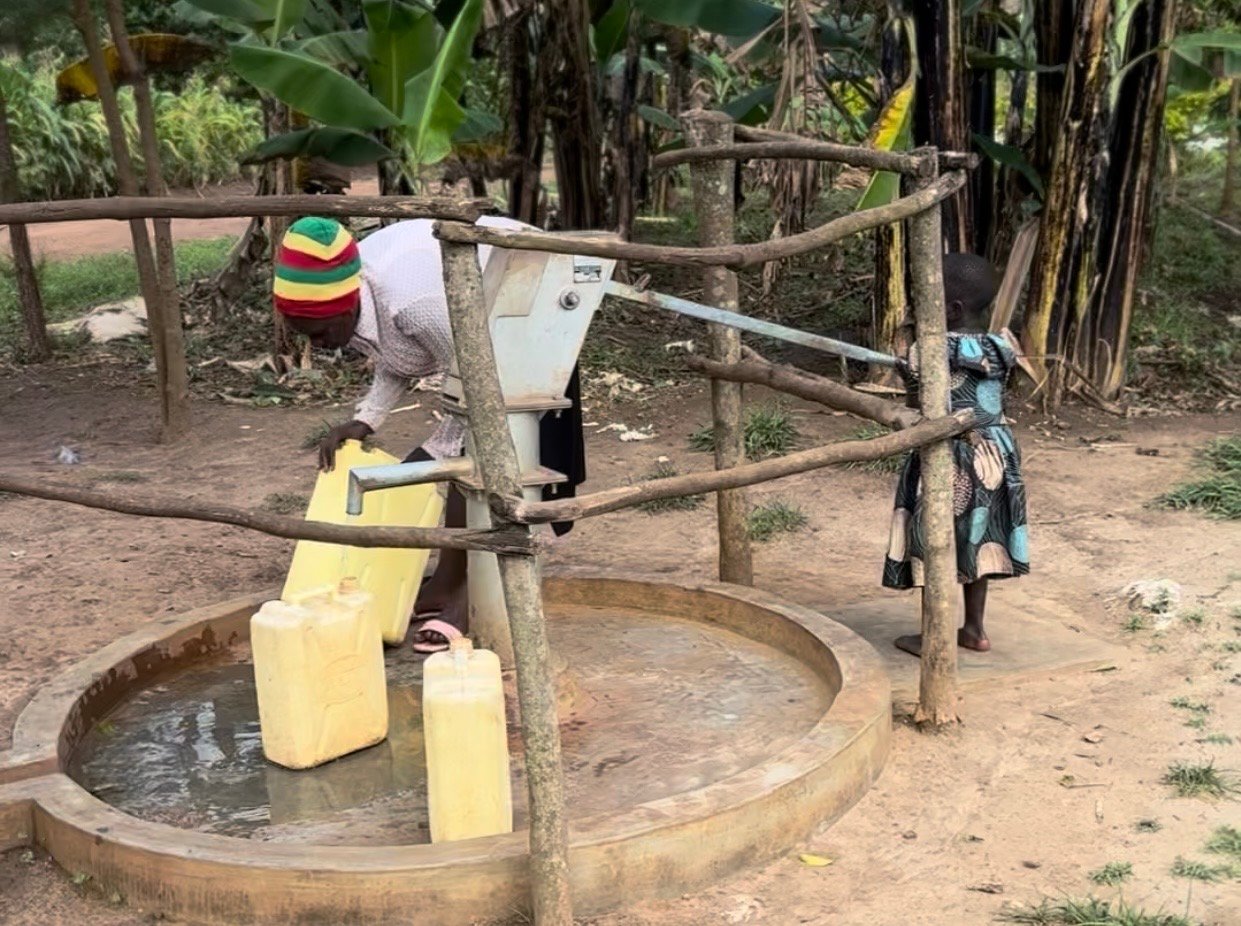
In many rural areas, obtaining water is a daily challenge. Families often have to walk long distances to collect water from natural sources that may not be safe for consumption. This responsibility frequently falls on women and children, who spend hours every day carrying heavy containers of water back to their homes.
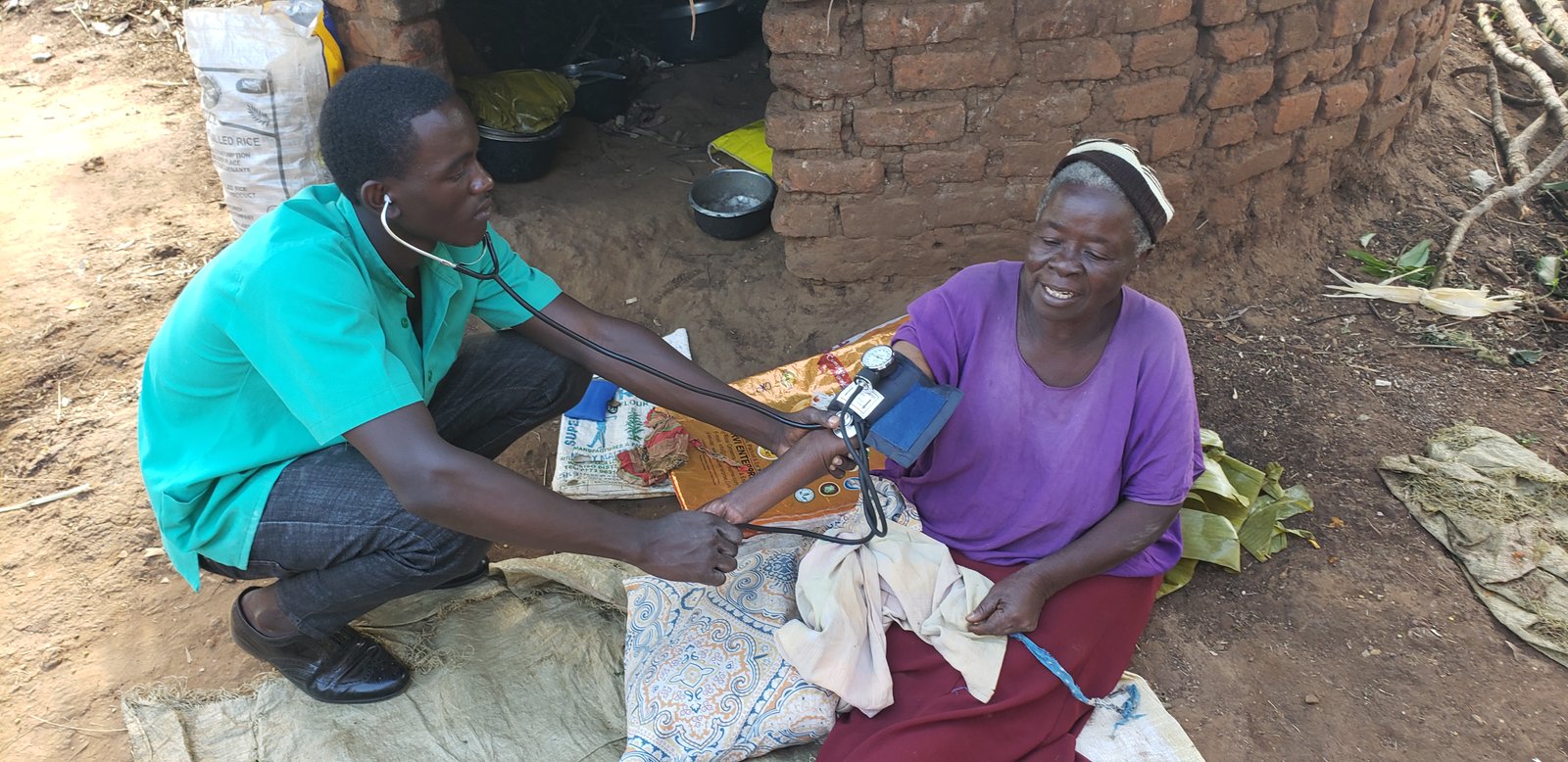
Because these water sources are not protected, they are often contaminated by bacteria, parasites, and other pollutants. As a result, waterborne diseases such as diarrhea, cholera, and typhoid remain common in communities without reliable water infrastructure. These illnesses can weaken families, reduce productivity, and place a heavy burden on already limited healthcare resources.
For children, the lack of clean water can also affect their education. Many miss school due to illness or because they must help their families collect water. This cycle makes it more difficult for communities to break free from poverty and improve their living conditions.
The Link Between Water, Health, and Food Security
Safe water is essential for healthy and productive communities. Contaminated water sources can lead to the spread of waterborne diseases such as cholera, typhoid, and diarrhea. These illnesses weaken communities, reduce labor productivity, and place a burden on already limited health systems.
Beyond the immediate health impacts, inadequate water access also affects food systems. Healthy populations are better able to participate in agricultural activities, maintain stable livelihoods, and contribute to local food production. In this way, improving water access strengthens both community well-being and rural economic development.
Ensuring clean water is therefore closely linked to the broader goals of reducing poverty, improving nutrition, and strengthening sustainable food systems.
Sustainable Water Solutions
One of the most effective ways to provide long-term water access in rural communities is through the installation of boreholes. Boreholes allow communities to reach underground water sources that are naturally filtered and safer for drinking and daily use.
When properly installed and maintained, boreholes can provide a consistent water supply for many years. However, sustainable water solutions require more than infrastructure alone. Community involvement and training play an essential role in ensuring that water systems are maintained and protected over time.
By educating communities about hygiene, sanitation, and water management, clean water projects can create lasting improvements in public health and overall well-being.
Clean Water Initiatives: A Step Toward a Healthier Future
NJO Foundation Africa plays an active role in addressing water scarcity through its Clean Safe Water initiative, which focuses on providing sustainable access to safe drinking water in underserved communities. The organization works closely with local leaders, residents, and community representatives to assess water needs and identify the areas where intervention can have the greatest impact.
Through the installation of boreholes that access deep, naturally filtered groundwater, NJO Foundation Africa helps communities obtain reliable and safe water sources. These projects are designed not only to improve immediate water access but also to create long-term solutions that can support communities for many years.
In addition to infrastructure development, the foundation promotes hygiene education and community engagement, ensuring that local residents are involved in the planning, maintenance, and management of water systems. This participatory approach strengthens community ownership and helps guarantee the sustainability of water resources.
By improving access to clean water, the Foundation contributes to better public health, increased school attendance, and stronger economic opportunities. Reliable water access allows families to spend less time searching for water and more time focusing on education, agriculture, and income-generating activities, supporting healthier and more resilient communities.